Budget Summary Report Template: A Designer's Guide to Financial Clarity
Imagine presenting a complex financial concept with the same visual clarity and impact as a perfectly kerned headline or a balanced color palette. This is the power of a well-designed Budget Summary Report Template. It transforms raw numbers into a compelling visual narrative, making it an indispensable tool for designers, marketers, and creative professionals managing project finances or client budgets. More than a spreadsheet, it's a cornerstone of effective visual communication in business.
The Visual Language of Financial Data
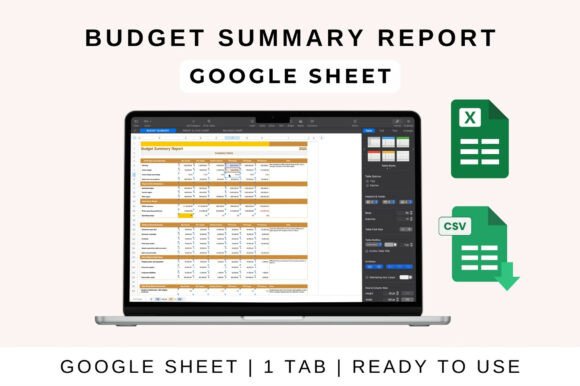
From a graphic design perspective, a budget report is a piece of editorial design. Its success hinges on the same principles: strong visual hierarchy, clean typography, and strategic use of color. A professionally crafted template uses these elements to guide the eye, emphasize key figures like actual vs. projected spending, and make dense information scannable. This clarity directly supports brand identity by ensuring all internal and external financial communications look polished and professional, reinforcing trust and competence.
Key Design Elements in a Superior Template
- Typography: Uses a clear, hierarchical type system to distinguish headings, data labels, and figures, ensuring immediate readability.
- Color Palette: Employs a restrained, on-brand palette to highlight variances (e.g., over-budget in a soft red, under-budget in a calm green) without causing visual noise.
- Layout & Grid: Features a clean, logical grid structure that aligns data consistently, creating a sense of order and professionalism.
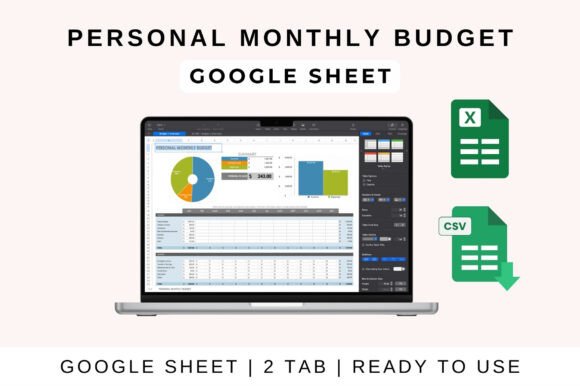
- Data Visualization: Incorporates simple, elegant charts or graphs to provide an at-a-glance understanding of financial health, enhancing user engagement.
Practical Applications for Creative Projects
Integrating a robust financial template into your design workflow streamlines more than just accounting. It becomes a critical asset across numerous creative domains.
For branding and logo design agencies, it provides a clear format for presenting project quotes and tracking expenses against client fees. In marketing materials and advertising campaigns, it helps teams manage budgets for social media graphics, print runs, and digital ad spend. When designing packaging or merchandise, the template is vital for costing out materials, production, and design fees. Even for editorial design or web design projects, it offers a transparent way to monitor hours and resource allocation, ensuring the project stays profitable and on track.
Choosing and Implementing Your Template
Selecting the right template involves evaluating its design quality as rigorously as its functionality. Look for these factors to ensure it aligns with your professional standards:
- Consistency & Brandability: Can you easily customize fonts, colors, and logos to match your brand identity system? A template should feel like a natural extension of your creative assets.
- Scalability: Is the layout robust enough to handle detailed line items without becoming cluttered? Good visual hierarchy should hold even with complex data.
- Compatibility: The ideal template works seamlessly across platforms like Google Sheets, Excel, and Apple Numbers, ensuring smooth collaboration within your team's existing software ecosystem.
- Usability: Pre-formatted cells for data entry, built-in calculations, and clear section labels reduce friction and minimize errors, making financial monitoring efficient.
By treating your financial reporting with the same care as your visual design, you elevate every aspect of your practice. A thoughtfully chosen Budget Summary Report Template does more than track dollars; it communicates discipline, foresight, and professionalism. It becomes a key piece in your suite of modern, high-quality creative assets, ensuring that the business side of your projects is as aesthetically sound and functionally elegant as the creative output itself.