Organize Family Life with a Visual Schedule Template
In the realm of modern graphic design, the most impactful assets are those that seamlessly blend aesthetic appeal with profound utility. A perfect example is the Family Event Schedule Template, a meticulously structured tool designed to transform chaotic family calendars into clear, visually harmonious systems. Far from a simple grid, this template applies core principles of visual hierarchy, typography, and color theory to create a functional piece of editorial design for the home. It ensures that school plays, sports practices, birthdays, and appointments are not just noted, but presented in a way that is instantly understandable and visually engaging for every family member.
The Design Principles Behind Effective Scheduling
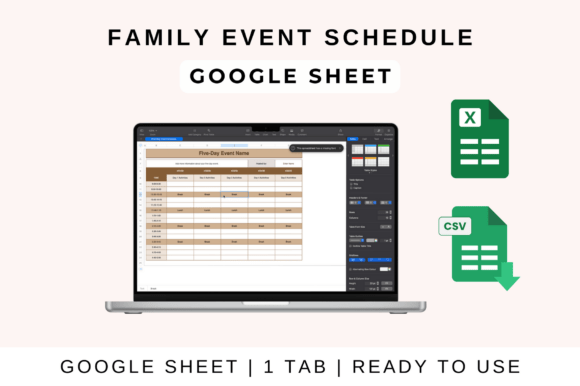
At its core, this template is a lesson in visual communication. It utilizes separate, clearly labeled columns for each family member, employing a clean typography choice that maximizes readability at a glance. The strategic use of a dedicated color palette—often assigning a subtle hue to each person—enhances quick identification, embodying the modern aesthetics of a well-designed dashboard. Features like a dedicated reminder section and notes field for special instructions are not mere additions; they are essential elements of a user-centric UX design, reducing cognitive load and preventing missed events.
Practical Applications Beyond the Fridge
While its primary function is domestic organization, the design principles within this template have broad applications across various creative projects. Consider how its structured layout informs other areas:
- Brand Identity & Consistency: The template’s consistent use of space, type, and color mirrors the discipline required in building a strong brand identity. A family using it weekly internalizes a system, much like a customer recognizes a brand’s consistent visual language.
- Marketing & Social Media Graphics: The clear visual hierarchy is a blueprint for creating effective social media graphics and marketing materials where information must be absorbed in seconds.
- UI/UX and Web Design: The template’s logical flow and emphasis on scannability are direct applications of UI design principles, making it an excellent case study for designing intuitive digital interfaces.
- Editorial & Packaging Design: The balance between text and white space reflects sophisticated editorial design, while its clear labeling system could inspire packaging design where product information must be presented clearly and attractively.
Selecting and Implementing with a Designer's Eye
When evaluating such a template, look beyond its basic function. Assess its design workflow compatibility—does it integrate smoothly with tools like Google Sheets, Excel, or Numbers? Consider its scalability; will the layout remain clear when printed on a family bulletin board or viewed on a phone? A professional template will offer fully editable components, allowing you to adjust fonts (typography), colors, and formulas to match your personal or even a client’s brand identity system if used in a professional context. This adaptability is key to maintaining a cohesive design system.
Ultimately, the value of a well-crafted Family Event Schedule Template lies in its power to impose order through thoughtful visual design. It demonstrates how principles of composition, hierarchy, and color can elevate a mundane task into an organized, almost enjoyable, system. For designers, marketers, and creators, it serves as a tangible reminder that the best creative assets solve real problems beautifully, enhancing both communication and the quality of daily life. Investing in such polished, functional resources is an investment in clarity, efficiency, and the silent power of good design.