30 Days Challenge Planner: Free & Printable Template
Imagine transforming a fleeting idea into a structured, visually compelling project in just a month. For designers and creators, a well-organized plan isn't just a list—it's the blueprint for successful execution. This is where a dedicated 30 Days Challenge Planner - Free becomes an invaluable creative asset, providing the framework to build consistency, track progress, and achieve tangible results in any visual or branding project.
Why Structured Planning is Crucial for Visual Projects
In the realm of graphic design and digital marketing, time is a finite resource. Jumping between concepts without a clear roadmap leads to inconsistent branding and diluted messaging. A 30-day challenge format instills discipline, breaking down large-scale goals—like a full brand refresh or a social media campaign—into manageable daily tasks. This approach mirrors professional project management, ensuring every element, from typography selection to color palette application, is deliberate and aligned with the overarching brand identity.
Practical Applications Across Design Disciplines
The utility of a printable challenge planner extends far beyond simple to-do lists. Its structured format is ideal for a variety of creative and professional scenarios where sustained focus is key.
- Brand Development: Dedicate each day to a specific facet of your brand identity—day one for mood boards, day five for logo refinements, day ten for color palette exploration, and so on. This methodical approach ensures a cohesive and well-considered final brand system.
- Content Creation & Social Media: Plan a month's worth of social media graphics, editorial layouts, or blog post visuals. The planner helps maintain a consistent visual hierarchy and modern aesthetic across all touchpoints, strengthening audience recognition.
- Skill Building: Use the 30-day structure to learn a new design software, practice illustration techniques, or study typography principles. Daily, focused practice is one of the most effective methods for skill acquisition.
- Client Project Management: Outline the key milestones for a client's website redesign or packaging design project. It provides a clear, shareable timeline that manages expectations and keeps the workflow on track.
Maximizing the Template: Tips for Effective Use
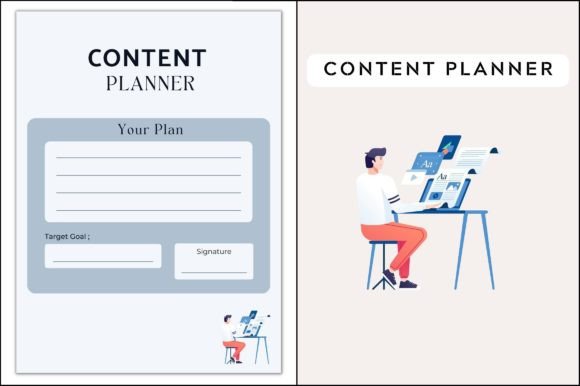
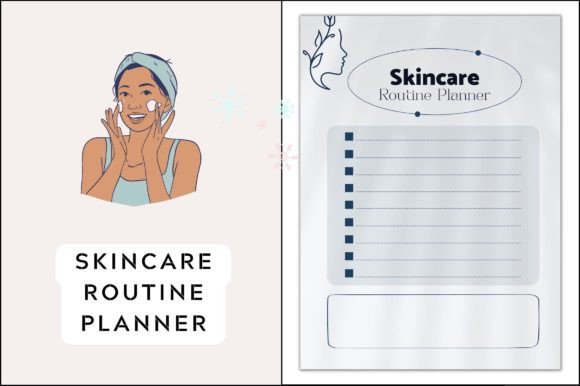
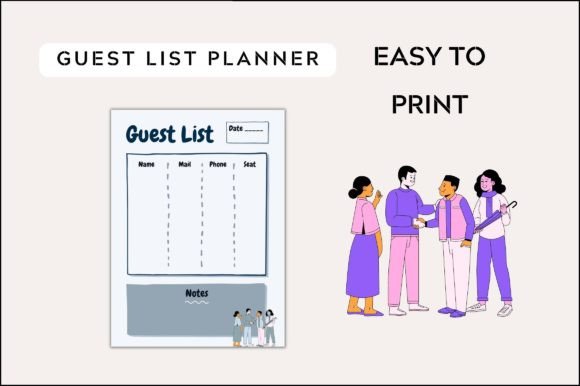
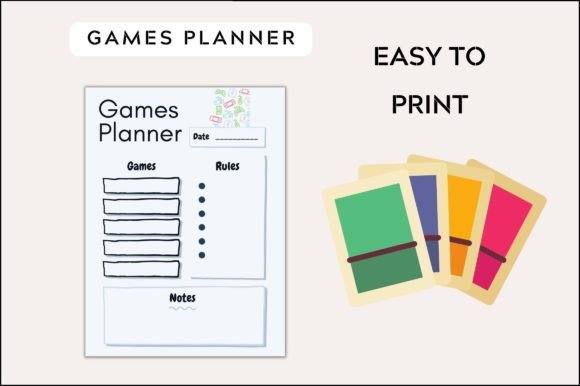
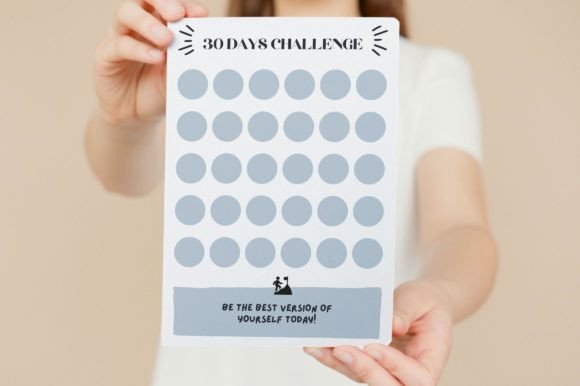
To get the most out of a 30 Days Challenge Planner - Free, consider it a dynamic tool rather than a static page. The provided printable PDF template, with its cute color variants and A4 standard size, offers a clean slate for customization.
- Define a Clear Objective: Before day one, write your overarching goal at the top. Is it to "Develop a complete style guide" or "Create 30 unique poster designs"? This keeps the entire challenge focused.
- Assign Daily Themes: Group related tasks. For a branding project, dedicate blocks of days to research, concept development, asset creation, and finalization. This promotes deeper work and reduces context-switching.
- Incorporate Review Points: Schedule days (e.g., every seventh day) to review progress, assess what's working, and adjust the upcoming tasks. This iterative feedback loop is fundamental to good design practice.
- Leverage the Visual Format: Use the clean layout to add sketches, paste color swatches, or note typography choices directly. Making the planner visual enhances its utility as a true design reference.
Ultimately, the power of a thoughtfully designed resource like this free printable planner lies in its ability to bridge the gap between creative vision and practical execution. By providing a structured yet flexible framework, it empowers designers, marketers, and creators to approach projects with greater intentionality, leading to more polished presentations, stronger brand communication, and a more efficient design workflow. Quality creative assets don't just save time; they elevate the standard of your work.