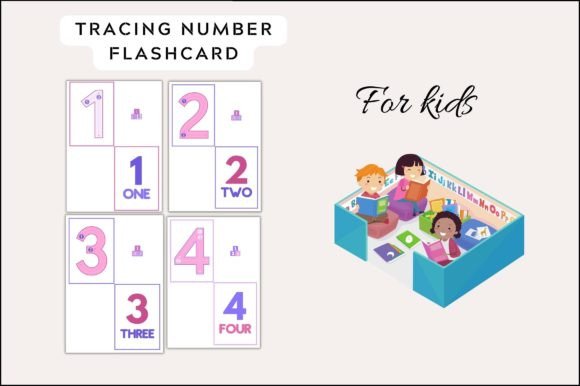
Designing Early Learning: The Power of Tracing Flashcards
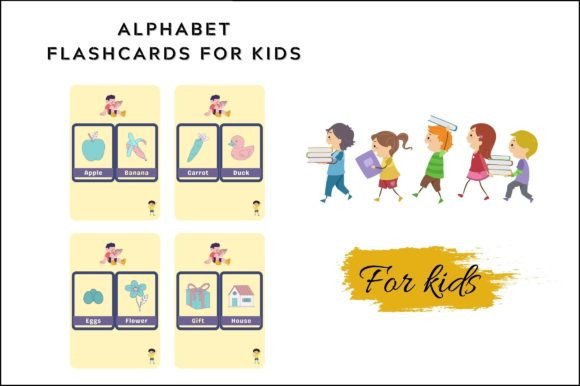
Every visual asset, no matter how simple, is an opportunity for strategic design and clear communication. For designers and creators working in the educational space, the challenge is to create materials that are not only visually appealing but also pedagogically effective. This is where a resource like the Kids Tracing Number Flashcard becomes a cornerstone of modern educational design, blending foundational learning with clean, purposeful aesthetics. Its printable PDF format offers a seamless bridge between digital creation and tangible, hands-on learning.
Why Visual Design Matters in Early Education
In the realm of graphic design, clarity and user experience are paramount. When designing for children, these principles become even more critical. A well-executed Kids Tracing Number Flashcard Printable Template is more than just a set of numbers; it’s a carefully considered piece of visual communication. The design must facilitate motor skill development and number recognition, which demands precise typography, ample white space, and intuitive visual hierarchy. The clean lines guide a child's hand, while the deliberate color palette minimizes distraction and maintains focus on the core task.
This approach mirrors best practices in UI/UX design, where every element serves a function. The tracing path is the primary interactive element, and its clarity directly impacts the user's (or child's) success and engagement.
Practical Applications Across Creative Projects
The utility of a high-quality tracing template extends beyond a single worksheet. For designers, marketers, and educators, it serves as a versatile creative asset with numerous applications:
- Brand Identity & Educational Packaging: A cohesive set of tracing numbers can become a signature element for a children's brand, used on packaging, merchandise, and marketing materials to establish a recognizable and trusted visual identity.
- Digital Marketing & Social Media Graphics: These templates can be adapted into engaging social media content for parenting blogs, educational apps, or toy companies, showcasing a brand’s commitment to learning and quality design.
- Website & UI Design: For educational websites or apps, the design principles behind effective flashcards—readability, simplicity, and guided interaction—inform the creation of intuitive interfaces for young users.
- Editorial & Print Design: From activity books to magazine inserts, the clean, scalable vector-style design of a professional template ensures sharp results in any print format, maintaining visual integrity from screen to paper.
Key Principles for Effective Educational Design Assets
When selecting or creating assets like a Kids Tracing Number Flashcard, several design factors determine their effectiveness and professional quality:
Consistency and Scalability: A professional template is designed with a consistent stroke weight and style across all numbers, creating a unified learning experience. As a scalable digital asset, it should be built to maintain perfect clarity at any size, from a small flashcard to a large classroom poster.
Color Palette and Visual Hierarchy: The use of "Cute Colours" isn't just aesthetic; it's strategic. A thoughtfully chosen, limited color palette can differentiate number groups or difficulty levels without overwhelming the child. The primary visual hierarchy should always place the tracing number itself at the forefront, with instructional elements being secondary.
Typography and Readability: The chosen typeface must be simple, with clear, unambiguous number forms (e.g., a distinct '1' and '7', an open '4'). This avoids confusion and supports accurate letter formation. The design should prioritize ample, clean space around each number for comfortable tracing.
Ultimately, the most valuable creative assets are those that solve a problem with elegance and efficiency. A thoughtfully designed tracing resource does more than teach numbers; it demonstrates how professional design principles can enhance fundamental human experiences, like learning. By choosing templates built with this philosophy, creators ensure their projects are not only beautiful but also deeply functional and impactful.