Streamline Your Creative Business with an Account Receivable Template Google Sheet
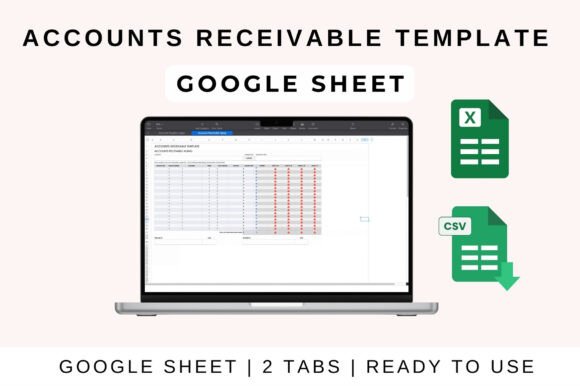
For any design professional, managing the business side of creativity is as crucial as the creative work itself. An efficient Account Receivable Template Google Sheet is a foundational asset that brings order to your finances, freeing you to focus on visual storytelling and client projects. This tool transforms scattered invoices and payment follow-ups into a clear, automated system, directly impacting your cash flow and operational peace of mind.
The Visual Designer's Financial Workflow
Think of your financial tracking as part of your overall design workflow. A disorganized system creates friction, much like a cluttered workspace or a poorly structured file. The right template provides a clean, intuitive interface—akin to a well-organized design file—for tracking outstanding invoices, due dates, and client payment statuses. It automates calculations and generates aging reports, giving you a real-time dashboard of your financial health. This clarity is essential for making informed decisions about project investments, software subscriptions, and scaling your creative business.
Practical Applications for Creative Professionals
While its primary function is financial, the structure and discipline it enforces have direct parallels to design principles. Here’s how it integrates into various creative domains:
- Brand Identity & Logo Design: Consistent invoicing reinforces your professional brand. A template ensures every client interaction, from proposal to final payment, maintains a consistent, polished look that reflects your brand identity.
- Marketing & Social Media Graphics: Timely payments fuel your ability to invest in new creative assets, stock photography, or marketing campaigns. Clear financial tracking helps you budget for these visual communications tools.
- Website & UI/UX Design: A streamlined receivables process is a core component of a positive client user experience (UX). It removes friction, builds trust, and allows you to dedicate more mental energy to creating intuitive user interfaces.
- Packaging & Print Design: Managing payments for physical production runs requires precise forecasting. An accounts receivable system helps you align client payments with vendor deadlines, ensuring projects move from screen to print without cash flow hiccups.
- Presentations & Digital Products: Whether you’re selling design templates or pitching a major rebrand, a reliable financial backbone allows you to price projects confidently and manage the revenue from digital products effectively.
Implementing with Precision: A Step-by-Step Guide
Adopting this tool is straightforward and mirrors the process of applying a new design system.
- Acquisition & Setup: Upload your chosen template to Google Drive and open it in Google Sheets. This is your digital studio’s new control panel.
- Data Entry as Layout: Systematically enter client details, project descriptions, invoice amounts, and due dates. Treat this data entry with the same care you give to aligning elements in a layout.
- Leverage Automation: The sheet’s formulas will auto-calculate outstanding balances and totals. This is your background process, much like a Photoshop action, handling repetitive tasks instantly.
- Customize for Your Brand: Adjust categories, add client notes, or modify the color scheme to align with your studio’s aesthetic. This customization turns a generic tool into a personalized part of your creative toolkit.
- Collaborate & Share: Share the sheet with an accountant or business partner for real-time collaboration, ensuring everyone is aligned on the financial project status.
Tips for Effective Financial Design
Selecting and using your template effectively involves considerations similar to choosing any creative asset:
- Consistency is Key: Use the template for every client to build reliable data and habits. Consistency in process leads to consistency in quality and cash flow.
- Prioritize Readability: Choose a template with a clean layout and logical visual hierarchy. You should be able to scan for overdue payments as quickly as you scan a design for focal points.
- Ensure Scalability: Pick a system that can grow with your client list and project complexity, just as you’d choose a scalable vector format for a logo.
- Integrate with Your Aesthetic: While function is paramount, a template that feels visually coherent with your other business documents enhances your overall professional presentation.
Ultimately, integrating a robust Account Receivable Template Google Sheet into your practice is an investment in your creative enterprise’s sustainability. It provides the structural integrity that allows artistic vision to flourish without the destabilizing stress of financial uncertainty. By applying the same principles of clarity, organization, and thoughtful design to your business operations, you ensure that your creative projects are supported by a foundation as solid and professional as the visual work you deliver to clients.