Streamline Your Creative Assets with an Equipment Inventory Template
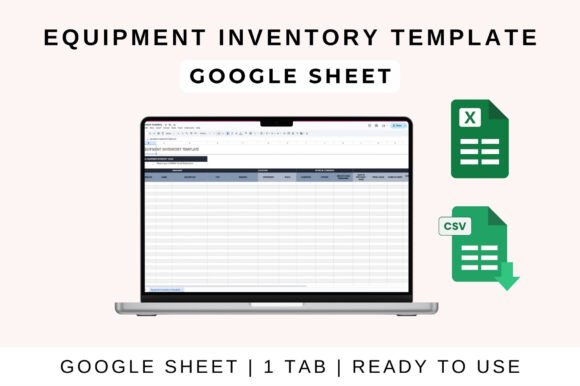
Managing the tangible and digital tools of your creative business is as crucial as managing your design files. An Equipment Inventory Template provides the structural framework to catalog, track, and maintain every asset that powers your work, from high-end monitors and printers to software licenses and specialized peripherals. This isn't just about accounting; it's about safeguarding your creative workflow, ensuring brand consistency, and making informed decisions that protect your investment in quality.
The Strategic Role of Asset Management in Design
In the dynamic world of graphic design and visual communication, your equipment is the engine of your output. A well-organized inventory directly impacts your design workflow and the quality of your creative projects. Knowing the condition, warranty status, and location of your tools allows for proactive maintenance, preventing disruptive downtime during critical deadlines for a client's brand identity overhaul or a major advertising campaign. This level of organization translates into a more reliable and professional service, a key component of a strong brand identity for your own studio.
Practical Applications Across Creative Disciplines
The utility of a robust inventory system extends far beyond the server room. Consider these applications:
- Brand and Logo Design: Track specialized color-calibrated monitors and Pantone guides essential for accurate color palette development.
- Marketing & Social Media: Manage cameras, lighting kits, and audio equipment used for creating social media graphics and video content, ensuring all assets are ready for campaign shoots.
- UI/UX & Web Design: Catalogue various test devices (phones, tablets) to guarantee responsive web design and flawless UI design across platforms.
- Print & Packaging Design: Keep tabs on large-format printers, cutting plotters, and paper stock samples vital for producing high-quality packaging design proofs and final prints.
- Presentations & Digital Products: Ensure that projectors, styluses, and licensed typography collections are documented and available for creating professional presentations and digital deliverables.
Integrating Inventory with Visual Design Principles
Effective asset management supports core design principles. A clear inventory enhances your operational visual hierarchy, allowing you to prioritize the care of mission-critical equipment. It ensures consistency in your output—a printer with low ink or an uncalibrated monitor can wreak havoc on a color palette and undermine brand identity consistency. By using conditional formatting to flag overdue maintenance, you maintain the tools that uphold your modern aesthetics and technical standards, from logo design to editorial design.
Tips for Selecting and Implementing Your System
Choose a template that offers flexibility and clarity. Look for key columns like Category, Serial Number, Condition, and Assigned To, which allow you to assign equipment to specific team members or departments. This is invaluable for collaborative studios working on large-scale creative projects. Ensure the template is compatible with your preferred platform—whether that's Excel, Google Sheets, or Apple Numbers—for seamless integration into your existing design workflow. A good system should be 100% editable, allowing you to tailor it to track software subscriptions for digital marketing tools or fonts for typography projects.
Ultimately, a disciplined approach to equipment inventory is a cornerstone of professional practice. It frees you to focus on the creative side—exploring design trends, refining visual communication, and producing exceptional work—while operating with the reliability and foresight of a well-run studio. Investing in the right organizational template is an investment in the sustainability and quality of your creative output.